Air Conditioning vs. Heat Pump: What’s Best for Woodburn, OR?
Woodburn’s climate and what it means for your HVAC choice
Woodburn sits in the Willamette Valley’s sweet spot: mild summers, cool and damp winters, and a handful of frosty mornings each year. Summer highs often hover in the 80s, with a few spikes into the 90s. Winter days usually stay above freezing, but we see cold snaps in the 20s. That pattern shapes the calculus of whether a traditional air conditioner plus a furnace or a heat pump makes more sense. As someone who’s sized and serviced systems across Marion County for years, I’ll tell you this: equipment selection that works in Phoenix or Minneapolis doesn’t translate to Woodburn. We need efficient cooling in summer and reliable, affordable heat the other nine months.
When you’re comparing options for Heating and Air Conditioning in Woodburn, OR, you’re really comparing total comfort, total cost, and total risk. The right answer often depends on your home’s insulation, your utility rates, and whether you already have natural gas service.
How each system works: the 20-second explainer
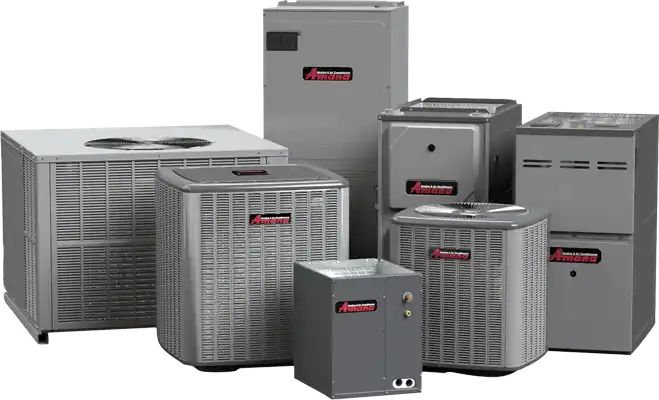
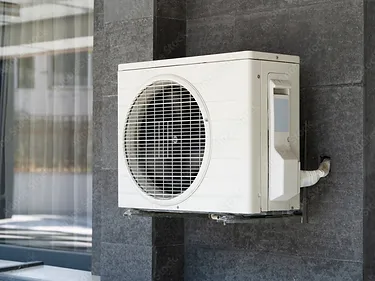
An air conditioner moves heat out of your home in summer. It can’t heat, so you pair it with a furnace for winter. A heat pump looks like an AC outside but has a reversing valve that flips the refrigerant flow. It moves heat into your home in winter and out in summer. Modern cold-climate heat pumps can deliver heat efficiently down to 5–15°F with the right setup.
Key efficiency terms you’ll see:
- SEER2: cooling efficiency. Higher numbers mean lower summer bills.
- HSPF2 or COP: heating efficiency for heat pumps. Higher is better.
- AFUE: furnace efficiency. 95% AFUE means 95% of fuel becomes heat.
Air conditioning plus furnace: when the classic combo shines
The AC-and-furnace package remains the standard for many homes in Woodburn. If you have natural gas on site, a 95%+ AFUE gas furnace with a 14–18 SEER2 air conditioner delivers strong heat and dependable cooling. Gas furnaces excel on the chilliest mornings, pushing warm air quickly and evenly. For households sensitive to cool supply air, furnaces often feel more comfortable than lower-temperature heat pump heat.
Where this setup wins:
- You already have newer gas lines and a venting path.
- You value fast, toasty heat on 25°F mornings.
- You plan to stay long term and want robust, low-complexity heating.
Where it can fall short:
- Two systems to maintain: a combustion appliance and a condenser.
- Higher carbon output than an all-electric heat pump, especially if you don’t opt for renewables.
- Summer efficiency may lag top-tier heat pumps with variable speed compressors.
Heat pumps in Woodburn: efficient, comfortable, and increasingly practical
For our climate, heat pumps are not a gamble; they’re often the efficient middle ground. A properly sized, cold-climate unit with variable speed can heat most Woodburn homes economically for the vast majority of winter days. When temperatures dip below the system’s sweet spot, you can rely on a gas furnace in a dual-fuel configuration or an electric resistance backup. In many real-world installs I’ve monitored, families cut winter heating costs by 15–30% compared to older gas furnaces, and summer cooling improves thanks to better humidity control.
Where heat pumps win:
- One system covers both heating and cooling.
- Excellent shoulder-season efficiency when temps are 35–55°F.
- Quieter, steadier comfort from inverter-driven compressors and variable-speed air handlers.
- Potential utility rebates and federal tax credits for high-efficiency models.
Where they can struggle:
- On very cold mornings, supply air feels cooler than furnace heat, even if the home reaches setpoint.
- Electric-only backup heat can increase bills during cold snaps if the unit isn’t sized and commissioned correctly.
- Poor ductwork or leaky homes reduce performance. Tighten the shell, then size the system.
Air Conditioning vs. Heat Pump: What’s Best for Woodburn, OR?
Let’s answer the core question directly: Air Conditioning vs. Heat Pump: What’s Best for Woodburn, OR? In many cases, a heat pump comes out ahead because our winters are moderate compared to the Midwest, and our summers are warm but not punishing. That sweet spot favors the heat pump’s strengths. However, households with existing gas infrastructure and a preference for warmer supply air may prefer a high-efficiency furnace paired with an AC. If you want a balanced route, a dual-fuel system marries both: the heat pump runs until outdoor temps drop to a chosen balance point, then the gas furnace takes over. This approach often yields the lowest total operating cost while preserving that cozy furnace feel on cold mornings.
When deciding on Air Conditioning vs. Heat Pump: What’s Best for Woodburn, OR?, consider your utility rates, insulation, and comfort preferences. An on-site load calculation and duct assessment should drive the choice, not just brand brochures.
Real-world numbers and what they mean for your bills
Here’s a snapshot from recent projects in the Woodburn area:
- 3-bed, 1,600 sq. ft. ranch, R-38 attic, average air sealing: Swapping a 20-year-old 80% furnace and 10 SEER AC for a 17 SEER2 heat pump cut annual energy use by roughly 20%. Winter bills dropped the most during 35–50°F days.
- 2,200 sq. ft. two-story with gas line in place: Installing a 97% AFUE furnace with a 16 SEER2 AC kept capital costs lower than a top-end heat pump and delivered warmer supply air on sub-30°F mornings. Annual operating costs were comparable to a mid-tier heat pump thanks to reasonable gas rates.
- All-electric home, moderate insulation: A cold-climate, variable-speed heat pump with a smart thermostat and modest duct sealing delivered stable 70°F comfort down to 15°F with minimal resistance backup use.
Your mileage will vary, but the pattern is consistent: better insulation and sealed ducts swing the advantage toward heat pumps. Poor envelopes tilt the math back toward gas furnaces.
Installation quality from an HVAC Company Woodburn, OR can trust
No system performs well if it’s poorly sized or installed. Insist on a Manual J load calculation, a Manual S equipment selection, and Manual D duct design or verification. Static pressure readings during commissioning matter. So does refrigerant charge verified by superheat/subcooling, and airflow set to the equipment’s specs in both heating and cooling modes. A careful HVAC Contractor Woodburn, OR homeowners can rely on will also verify filter sizing, return air pathways, and thermostat staging for dual-fuel setups. It’s unglamorous, but these steps determine whether your shiny new system underperforms or delivers the comfort you paid for.
Local providers like Whirlwind Heating & Cooling emphasize these details because they see the downstream issues: short cycling, cold spots, noisy ducts, and inflated utility bills. Good design prevents all of it.
Cost, rebates, and long-term value
Upfront, a quality heat pump often costs slightly more than a same-tier AC, but when you factor in that it replaces the furnace’s workload for most of winter, the lifetime value improves. Add potential tax credits and utility rebates for high-efficiency heat pumps and you can narrow or erase the initial gap. If you already have a newer high-efficiency furnace, pairing it with a heat pump in a dual-fuel arrangement can be the most cost-effective path to lower bills without discarding good equipment.
Ask about:
- SEER2 and HSPF2 ratings that qualify for incentives.
- Smart thermostat integration for dual-fuel balance points.
- Duct sealing or insulation upgrades that boost system ROI.
Maintenance and lifespan: what to expect
Both systems benefit from annual service. Expect 12–18 years of life for typical condensers and heat pumps, with furnaces often lasting 15–20 years when maintained. Heat pumps run year-round, so plan for a spring and fall checkup. Keep filters clean, ensure outdoor clearances, and wash coils as needed. A reliable provider such as Whirlwind Heating & Cooling can set up a maintenance plan that catches issues early and keeps warranties intact.
FAQs: Heating & Cooling in Woodburn answered
Will a heat pump keep my home warm during a cold snap?
With a cold-climate model and proper sizing, yes for most Woodburn cold snaps. Many homeowners add dual-fuel or electric backup for peace of mind on the rare sub-20°F mornings.
Is a heat pump more expensive to run than gas heat?
It depends on utility rates and your home’s envelope. In our area, heat pumps often cost less to run during mild winter days and similar or slightly more on the coldest days unless paired with dual-fuel.
Do I need new ductwork for a heat pump?
Not always. But leaky or undersized ducts hurt performance. Have an HVAC Company Woodburn, OR residents trust perform a duct assessment before installation.
What SEER2 or HSPF2 should I aim for?
For balanced value, look at 16–18 SEER2 and higher HSPF2 models. If you prioritize maximum savings and incentives, consider premium variable-speed units.
How do I choose the right HVAC Contractor Woodburn, OR?
Look for load calculations, written design data, references, and transparent commissioning reports. Avoid bids based only on square footage or brand alone.
The bottom line for Woodburn homes
For many households here, a modern heat pump delivers excellent year-round comfort and lower operating costs, especially in well-sealed homes. If you prefer hotter supply air or already have efficient gas service, a high-efficiency furnace with a solid AC remains a smart choice. The most flexible solution is often dual-fuel: use the heat pump for most days and let the furnace take over when the temperature dips. Either way, prioritize proper design and commissioning. That’s where comfort, reliability, and savings live when you’re planning Heating and Air Conditioning in Woodburn, OR.
Name: Whirlwind Heating & Cooling
Address: 4496 S Elliott Prairie Rd, Woodburn, OR 97071
Phone: (503) 983-6991
Plus Code: 46GG+79 Woodburn, Oregon
Email: Ivan@whirlwindhvac.com